
Let’s be honest. Running a medical spa can look a lot easier from the outside than it actually is.
You may have a great location, talented providers, impressive technology, and patients who love what you do. But once the practice starts growing, things can get complicated quickly. More patients mean more employees. More employees mean more communication. More services mean more systems to manage. And suddenly, the physician who wanted to focus on patient care is spending half the day dealing with staffing, operations, scheduling, and business decisions.
Sound familiar?
This is where leadership becomes incredibly important. Better leadership can change the direction of a medical spa by creating a stronger team, improving the patient experience, smoothing day-to-day operations, and preparing the practice for sustainable growth instead of growth that creates more frustration. A medical spa can have all the right ingredients, but without strong leadership, those ingredients do not always come together the way they should.
If you are a medical spa owner, clinic owner, or high-growth aesthetic medicine practitioner already running one or more clinics at $1M+ in revenue and trying to improve profitability, build better systems, scale to multiple locations, or prepare for exit, this is the work. We are going to talk through the leadership challenges that show up as a practice grows, including team communication, delegation, difficult conversations, listening to employees, protecting the patient experience, developing yourself as a leader, and knowing when outside consulting support can help.
And no, being a good leader does not mean walking around the office giving everyone instructions. Real leadership is about creating a clear direction, building trust, making good decisions, and helping your team succeed.
Your Medical Spa Needs More Than a Good Business Plan
A business plan can tell you where you want to go. Leadership helps you get there.
When a medical spa is small, the physician or owner can usually keep an eye on almost everything. You know what is happening with your patients. You know your staff. You know what is working and what is not.
Then the practice grows.
Suddenly, there are more people, more appointments, more services, more responsibilities, and more decisions. You cannot personally oversee every conversation or solve every problem anymore.
That is usually the point where leadership starts to matter even more.
Your goal should not be to become the person who has to approve everything. Your goal should be to build a team that understands the vision of the practice and can make good decisions without waiting for you every five minutes.
That is what good leadership looks like.
Medical Spa Owners: Your Team Will Follow Your Lead
One of the easiest ways to understand leadership is to look at your team.
How do they communicate with each other? How do they handle difficult patients? How do they respond when something goes wrong? Do they take ownership, or do they immediately look for someone else to blame?
Your team is paying attention to leadership, even when you do not realize it. Regular feedback loops help the team stay aligned and improve team performance.
If communication from the top is inconsistent, your team may become inconsistent too. If expectations are unclear, employees may create their own interpretation of what “good work” looks like. If problems are ignored, small problems can become much bigger ones. Strong leadership also improves employee engagement and reduces turnover. Frequent turnover can also weaken client trust because patients notice inconsistency.
On the other hand, when leadership is clear, calm, and consistent, it gives the entire team something to work from.
People know what is expected. They understand the goals. They know where to go when there is a problem. Most importantly, they understand that they are part of something bigger than their individual job.
That can completely change the atmosphere of a practice.
Great Patient Experience Starts Behind the Scenes
When we talk about improving a medical spa, we often talk about the patient experience.
Of course, that matters.
But here is something that is easy to overlook: the patient experience starts long before the patient sits in the treatment room, and in a medical spa every touchpoint has to balance clinical safety with luxury service.
It starts when someone answers the phone. It starts when a patient books an appointment. It continues when they walk through the door, interact with the front desk, speak with a provider, receive personalized follow up care that increases loyalty, and eventually decide whether they want to come back.
If your team is frustrated, confused, or constantly dealing with internal problems, patients can feel it.
Strong leadership helps create consistency throughout that entire experience. Leaders should also gather feedback after visits to improve service quality and customer satisfaction.
Your team should know what excellent service looks like. They should understand how patients should be treated and what standards the practice expects. When those expectations are clear, it becomes much easier to deliver an experience that patients remember for the right reasons.
Stop Trying to Do Everything Yourself
This may be one of the hardest lessons for physicians who own growing practices.
You are used to being responsible.
You are used to solving problems. You are used to making decisions. You are used to knowing what is happening with your patients.
Those qualities probably helped you become successful in the first place.
But they can also become a problem when your practice grows.
If every decision has to come through you, you become the bottleneck. Your employees cannot move quickly without your approval, and you end up spending your time on tasks that someone else could handle.
That does not mean you should stop caring about your practice.
It means you need to learn how to lead instead of constantly manage.
Delegation is a leadership skill. So is developing your people. So is creating systems that allow your team to operate confidently.
The more your practice grows, the more important these skills become.
Good Leaders Know How to Have Difficult Conversations
Nobody enjoys difficult conversations.
Whether it is an employee who is not meeting expectations, a team conflict, a recurring operational problem, or a behavior that needs to change, it is tempting to put it off.
But problems rarely become smaller because we ignore them.
Strong leaders address issues directly while still treating people with respect.
That does not mean being harsh. It means being clear.
Your employees should know when they are doing well, and they should also know when something needs to improve. Clear feedback gives people an opportunity to correct course instead of wondering what leadership really thinks, and regular feedback loops help build a healthier team culture.
A healthy practice is not one where there are never problems. That practice does not exist.
A healthy practice is one where problems can be discussed, addressed, and solved. Difficult conversations also improve effective communication, so the team understands expectations and clients get a more consistent experience.
Leadership Is Also About Listening
Leadership is not a one-way conversation.
You can have the best strategy in the world, but if you never listen to the people executing it, you may miss some of the biggest opportunities to improve your practice.
Your front-desk team may know why patients are having trouble scheduling. Your providers may know which part of the workflow is slowing them down. Your managers may see staffing issues before you do.
Ask them.
What is working?
What is frustrating?
What could we do better?
What are patients telling you?
Use that input to gather feedback and gain valuable insights into service gaps.
These conversations can uncover problems that may not be obvious from the owner’s perspective.
And when employees feel that their ideas are actually heard, they are more likely to become invested in the success of the practice. Listening also helps leaders understand patient expectations so they can make better service offering decisions, sharpen marketing messages, and stay aligned with their target audience.
Growth Without Leadership Can Get Messy
Everyone wants their medical spa to grow.
But growth is not automatically a good thing if your infrastructure cannot keep up.
Imagine adding dozens of new patients without improving your scheduling processes, even though online booking systems reduce no-shows and automated appointment reminders keep schedules full. Centralized calendars and effective EMR software also improve operational efficiency and resource allocation as the practice expands. Imagine hiring several new employees without clearly defining their roles. Imagine adding new aesthetic services without properly preparing your team or tailoring treatment plans that support business growth.
Revenue may increase, but strong leadership helps protect both revenue and client satisfaction as stress, mistakes, employee frustration, and patient complaints rise during growth.
That is why sustainable growth requires leadership.
You need to think ahead.
What will the team look like six months from now? What systems need to change? What responsibilities can be delegated? What type of leader does the practice need as it becomes larger?
These are not always easy questions, but answering them early can save you from much bigger headaches later.
You Do Not Have to Become a Different Person to Become a Better Leader
Some physicians hear the word “leadership” and imagine they need to become someone completely different.
You do not.
Good leadership is not about copying someone else’s personality.
If you are naturally direct, you can learn how to be direct while still being approachable. If you are naturally analytical, you can use that strength to make better strategic decisions. If you are highly relationship-oriented, you can use that ability to build a stronger team.
The goal is not to become the perfect leader.
The goal is to understand your strengths, recognize your blind spots, and develop the skills needed to lead your particular practice. Strong leadership skills also depend on prioritizing ongoing education and ongoing training for yourself and your team, including the right training opportunities. Leadership training can improve staff retention by 20%. Effective leadership training can also increase revenue by 15%.
That is where personalized guidance from a med spa growth expert like Dr. Alex Spinoso can make a real difference.
When Is It Time to Get Outside Help?
Sometimes the hardest part of running a medical spa is recognizing that you are too close to the business to see everything clearly.
If you are constantly solving the same problems, struggling with team communication, feeling overwhelmed by growth, or spending more time managing the business than doing the work you actually enjoy, it may be time to bring in an outside perspective.
Medical practice consulting can help you step back and look at the bigger picture. Outside help can also reduce legal liabilities by strengthening leadership training and compliance systems.
Instead of simply asking, “How do we fix this problem?” you can start asking, “Why does this problem keep happening, and what needs to change so it does not happen again?”
A consultant can also sharpen consultation techniques, improve consultation skills, and track consultation conversion rates, with a well-run med spa often targeting a 60-80% consultation-to-booking conversion rate. That shift in thinking can be extremely valuable.
A good consultant is not there to take over your practice. The goal is to help you understand your opportunities, strengthen your leadership, improve your systems, and build a practice that can perform well without everything depending on you.
Conclusion
A successful medical spa is not built by one person doing everything.
It is built by creating the right team, setting the right expectations, communicating clearly, and giving people the tools and confidence to do their jobs well. That starts with leadership.
If your practice has reached the point where growth is creating more questions than answers, it may be time to step back and look at how you are leading the business.
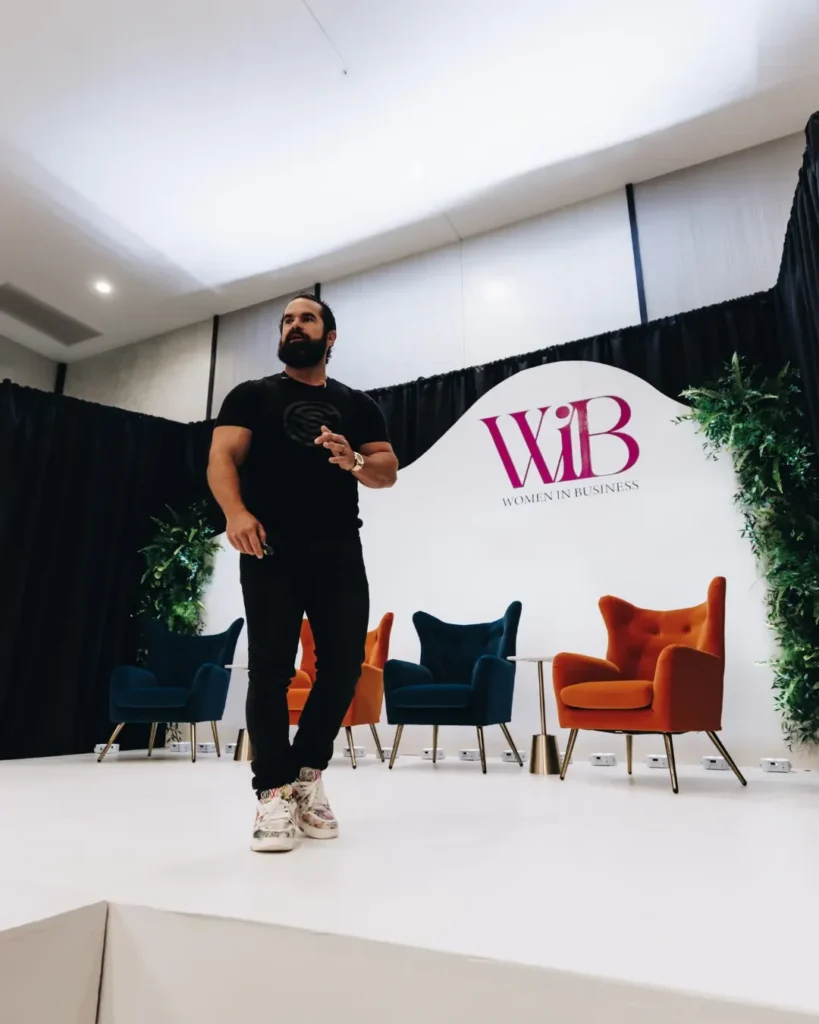
Dr. Alex Spinoso helps physicians and medical spa owners do exactly that. Through medical practice consulting, aesthetic consulting, healthcare leadership, and keynote speaking, Dr. Alex works with medical professionals who want to grow their practices while becoming stronger, more effective leaders.
Because at the end of the day, building a successful medical spa is not just about having more patients or adding more services. It is about building a practice that works well, a team that believes in the mission, and a business that you can be proud to lead.
And sometimes, the biggest transformation in your medical spa starts with one simple question: How can I become a better leader by breaking the patterns that are holding you back? ** —————————————————————————————————**
Frequently Asked Questions
Why does leadership matter so much in a medical spa?
Leadership influences almost every part of a medical spa, from team communication and employee performance to patient experience and long-term growth. Strong leadership matters because the team understands the mission, roles, and standards, which improves team performance and patient care. That is especially important in a med spa business operating in the medical aesthetics industry.
Can better leadership improve the patient experience?
Absolutely. When leaders establish clear expectations for communication, service, and patient care, employees have a better understanding of what is expected while aligning patient expectations and client expectations through clear client communication. That consistency can create a smoother and more positive patient experience. This clarity improves treatment outcomes and overall client satisfaction.
How can a physician become a better leader?
Start by focusing on communication, delegation, accountability, and listening. Physicians can also benefit from leadership coaching or medical practice consulting that provides an outside perspective and practical strategies tailored to their practice.
Should I delegate more as my medical spa grows?
In most cases, yes. As your practice grows, trying to personally handle every decision can slow the business down and increase your workload. Effective delegation allows capable team members to take ownership while allowing you to focus on higher-level leadership and strategic decisions.
When should I consider medical practice consulting?
You do not have to wait until something is seriously wrong. Consulting can be useful when you are planning growth, expanding services, building a team, improving operations, or simply feeling like the practice has become more difficult to manage than it should be.